First Home Run of the Game Props: Niche Market, Real Edge
 Available in US
Table of Contents
- Why First Home Run of the Game Is a Different Animal
- The Batting Order Variable Most Punters Ignore
- Park Selection Matters More Here Than on the Standard Market
- The Pitcher Profile That Quietly Hands You Edge
- How These Markets Get Settled and the Voiding Question
- How I Stake First-HR Plays in a Realistic Bankroll
- The Quiet Discipline That Separates the Sharps
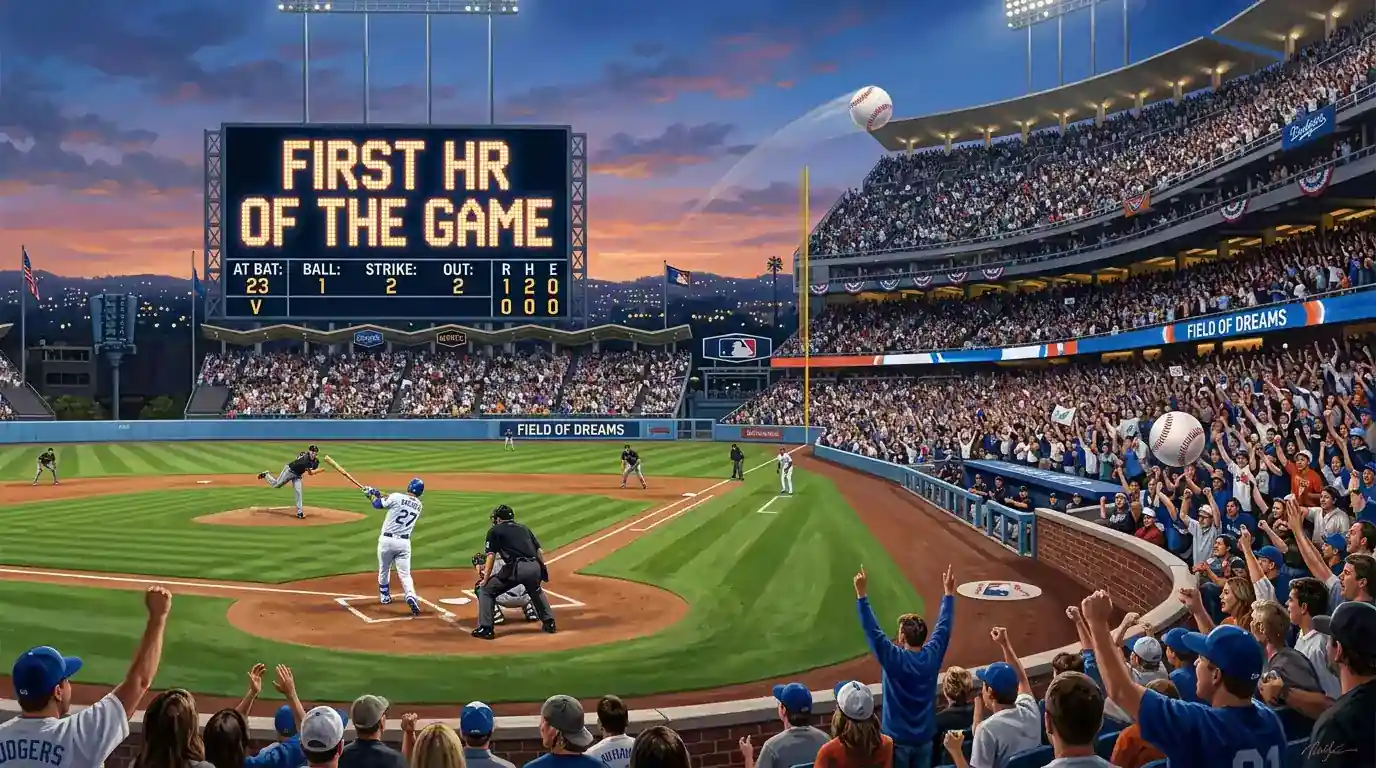
I lost £140 in two pitches last August on what I now consider one of the most educational tickets of my career. It was a Tuesday slate at Dodger Stadium, I was on Mookie Betts to hit the first home run of the game at +1800, and the leadoff batter for the Padres took the second pitch of the night over the right-field wall. Game over for my ticket, ten minutes after first pitch. The educational part was not that I lost – it was that I had been playing the market for three years and had never once stopped to think about how the prices on first-HR props actually get built. After that ticket I sat down and did the maths, and what I found is that this thin little corner of the prop board is one of the most consistently mispriced markets that UK-friendly books still publish.
Why First Home Run of the Game Is a Different Animal
On the surface, “first home run of the game” looks like a lottery version of the standard market. Same player, same game, just an extra hurdle: he has to homer before anyone else does. Most casual punters file it under “longshot” and move on. That instinct is correct in tone but completely wrong in scale, because the price gap between the standard prop and the first-HR variant is much wider than the actual probability gap.
The standard “to hit a home run” market on a top slugger sits between +200 and +600 on most slates. The first-HR market for the same player typically pays +1000 to +2000. Punters look at that gap and assume the first-HR version is roughly four to five times harder. It is closer to two and a half. The difference is, in operator terms, the price you pay for being lazy with your maths.
Here is the structural reason. Most MLB games produce one or two home runs total across both teams. Home run props in general carry odds quoted from around +200 (about 2.90 in decimal) and stretch up to +1000 and beyond, and the volatility of those longer prices is exactly where books get their margin. When a slugger is +260 to homer at all, the implied probability is roughly 28%. The conditional probability that he homers first, given that he homers, is the inverse of “how many other players might beat him to it”. On a slate at a typical park with average lineups, that conditional sits between 35% and 50%, depending on his batting order slot. Multiply 28% by 0.4 and you get 11.2%, which equates to roughly +800. When the book lists him at +1400, you have a margin of error in your favour, even before you start adding context.
The Batting Order Variable Most Punters Ignore
If I had to pick one factor that single-handedly determines whether a first-HR ticket has any chance, it is batting order. Not park, not pitcher, not weather – order. The reason is mechanical. The leadoff hitter gets the first plate appearance of the game. The two-hole hitter gets the second. By the time you reach the eighth slot in a lineup, several pitchers have probably already had their turn, and a leadoff hitter on the other team has likely batted in the bottom of the first.
The maths cascades quickly. A leadoff hitter has roughly 4.5 plate appearances per game, but more importantly his first PA happens before any other batter has stepped in. A six-hole hitter might wait until the second inning for his first swing, by which point the leadoff guys for both teams have collectively taken six to eight cuts. Every one of those cuts is a chance for somebody else to homer first. The probability that your six-hole slugger lands the opening blast is meaningfully lower than the probability for a two-hole slugger, even if their per-PA HR rates are identical.
What I started doing after the Mookie Betts disaster was simple. I now refuse to take a first-HR ticket on any hitter batting fifth or lower in the order. The price compression is just not steep enough to compensate for the order penalty. The sweet spot, in my experience, sits at the two- and three-hole, where the hitter gets nearly all of the volume of a leadoff bat but without the leadoff hitter’s typical lower power profile. Three-hole sluggers at hitter-friendly parks are where I make almost all of my first-HR plays.
Park Selection Matters More Here Than on the Standard Market
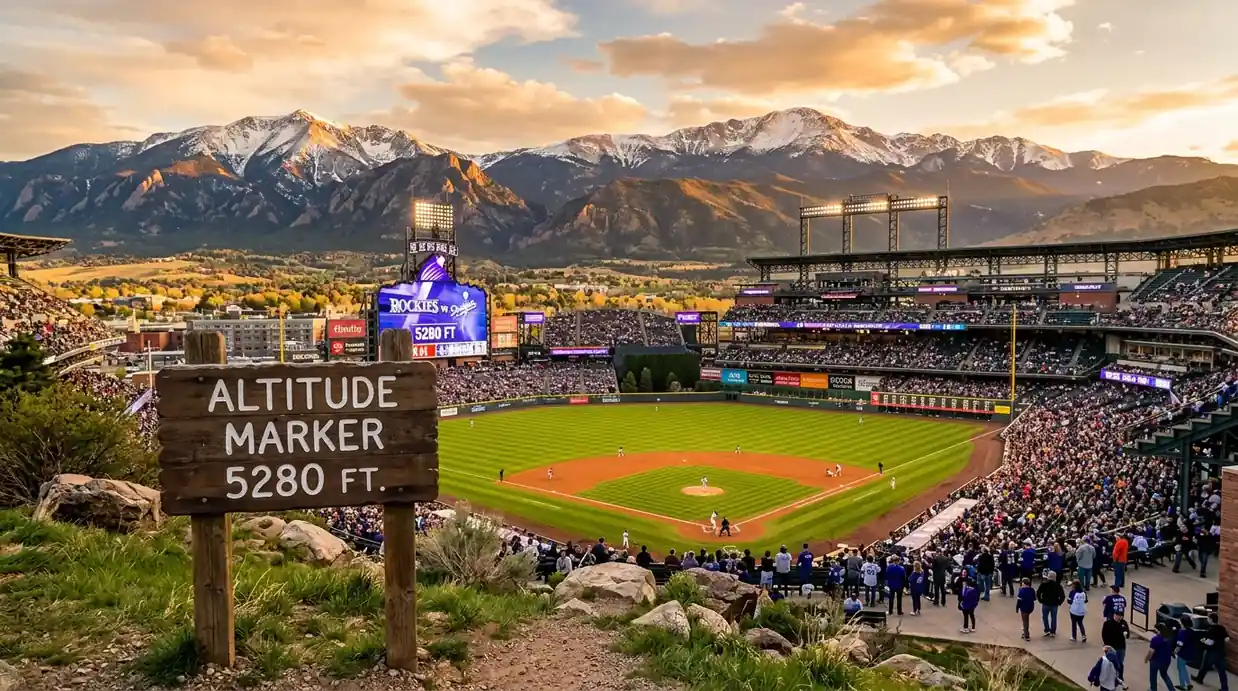
Take any park factor you trust and bias it harder for first-HR props. The reasoning is that this market lives or dies on speed. Hitter-friendly parks produce home runs faster – earlier in counts, earlier in innings, earlier in games – because the ball just needs less help to get over the fence. Dodger Stadium leads MLB in 2024 to 2026 with a home run park factor of 129, which means it produces 29% more home runs than league average across the full nine innings. The first-inning concentration is even more skewed, because pitchers tend to nibble more cautiously as the game progresses, and early-game cookies fly out faster at a small park.
I have a personal hierarchy of parks for first-HR plays. Tier one is Dodger, Yankee Stadium, Great American Ball Park (which sits at a 122 home run park factor), and any game at Coors. Tier two is Citizens Bank, Citi Field, and Camden Yards on still-air days. Anything else gets demoted, and at a true pitchers’ park I do not play this market at all. The variance is too unforgiving, and the price compression rarely reflects the structural disadvantage.
The Pitcher Profile That Quietly Hands You Edge
Most punters look at the opposing pitcher’s HR rate allowed and call it a day. For first-HR markets, that is the wrong number. What you actually want is the pitcher’s first-inning home run rate specifically, because that is when your bet lives or dies. Plenty of starters who allow a normal volume of home runs across nine innings happen to be brutal in the opening frame – they have not settled in, their fastball plays flat from the first pitch, and they are still working through their pre-game adrenaline.
I track this manually for the top thirty starters in any given slate. Some pitchers run a first-inning HR rate that is double their full-game rate, and the books simply do not adjust the first-HR market to reflect it. That gap is the edge. When you find a power slugger in the two- or three-hole at a hitter-friendly park, facing a starter who routinely gives up first-inning damage, the +1400 you see on the screen is closer to a true +900. That is the kind of asymmetry I am hunting for.
Be ruthless about throwing tickets back, by the way. The vast majority of slates do not produce a single first-HR play that clears the bar. I might get one or two genuinely playable spots a week during the regular season. The discipline of saying no on the other five days is what makes this market work.
How These Markets Get Settled and the Voiding Question
Before you place a first-HR ticket, you need to know how it gets graded. The mechanics are simple but the operator-by-operator differences are not, and a ticket that should cash on one book gets voided on another for the same outcome. DraftKings voids a home run prop entirely if the player does not appear in the starting lineup, while FanDuel keeps the bet active for any plate appearance, including a pinch-hit cameo. Most UK-friendly books follow the more conservative DraftKings approach, but you should check your operator’s specific terms before staking.
The other settlement subtlety is what happens when a game gets shortened by weather. If your hitter has not yet batted, the bet is typically voided. If he has had at least one PA, the bet usually stands and is graded as a loss if no home run was hit. A few books require the official five innings of play, others require the player to have had a specified number of plate appearances. These small print details rarely matter, until they do, and the day they do is the day you wish you had spent ten minutes reading the rules.
How I Stake First-HR Plays in a Realistic Bankroll
The variance on this market is the single biggest lesson I can pass on. Even when you find a play that is genuinely +EV, you will lose more than 90% of your tickets. That is not a sign you are doing it wrong – it is the structure of the bet. The trick is to stake accordingly, so that the long droughts between cashed tickets do not blow up your bankroll.
My rule is to risk no more than half a percent of my prop bankroll on any single first-HR ticket. So if I am running a £1,000 bankroll, the maximum on a first-HR play is £5. That sounds tiny, and it is, but at +1400 the return on a £5 ticket is £75, and a couple of those a month covers the variance comfortably. Punters who try to size first-HR tickets like standard props usually run into a six-week losing streak that wipes out a third of their bank, and they never come back to the market.
The interplay with park selection matters here too. If you want to layer on a stadium-driven angle, the writeup on why Dodger Stadium tops the 2026 park factor charts at 129 is the natural next read, because the same park profile that makes Dodger a tier-one venue for the standard market makes it the single best venue I know for first-HR plays.
The Quiet Discipline That Separates the Sharps
I started this article by telling you about the Mookie Betts ticket I lost in two pitches. The reason I keep that result in my notes is not the loss itself – it is what I did the next morning. I built a spreadsheet of every first-HR ticket I had taken in the previous twelve months, tagged them by batting order, park tier, and pitcher first-inning HR rate, and discovered that I had been a steady loser on every category except one: two-hole and three-hole hitters at tier-one parks against pitchers with elevated first-inning damage. In that bucket I had been positive ROI by almost twenty percent. Everywhere else, negative. That single afternoon of bookkeeping reshaped how I play this market, and the boring lesson is the one that matters most: the niche works, but only if you respect the maths and let most slates pass without a play.
How is a first home run of the game prop different from a regular to hit a home run market?
The standard market pays if the player hits any home run in the game. The first-HR variant requires that the player hits the opening home run before any other player on either team. The added condition cuts the probability roughly in half for top-of-order hitters and by considerably more for batters lower in the lineup, which is why the prices stretch from around +1000 up to +2000 and beyond.
Should batting order be the main factor I check before placing a first home run ticket?
Yes. Order outweighs every other variable for this specific market because it determines plate-appearance timing. Leadoff and two-hole hitters get the first cuts of the night before any other batter, while five-hole and lower bats are mathematically penalised. I will not consider a first-HR play on any hitter batting fifth or lower in the lineup, regardless of how soft the matchup looks.
Prepared by the mlb Prop Bets Home Runs editorial staff.