Home Run Scored in Inning Props: Is the Variance Worth It
 Available in US
Table of Contents
- The Mechanics That Make This Market Different
- Why First-Inning Markets Trade So Differently From Late-Inning
- The Park and Weather Lens Reapplied
- The Lineup-Through Question Most Punters Forget
- Pricing Logic and Where I Find Mispriced Lines
- How I Stake This Market
- Why I Keep Coming Back to This Strange Little Market
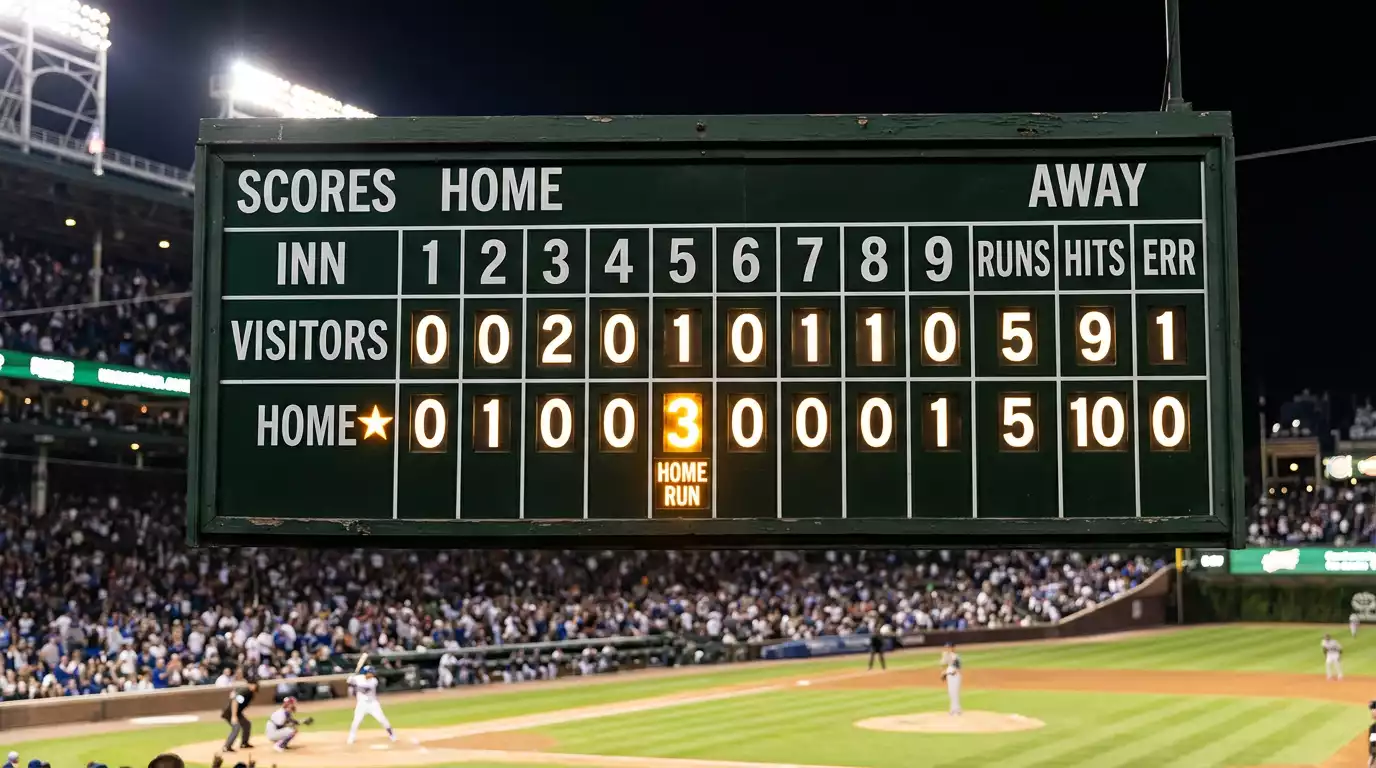
Years ago I watched a friend lose £80 on a “home run scored in the first inning” ticket because the leadoff hitter walked, the two-hole hitter doubled, and a sacrifice fly drove in a run before the slugger he had backed even came to bat. The slugger eventually homered in the third. My friend was furious – at the umpire, at the pitcher, at the universe – and I did not have the heart to tell him that he had bet on a market structurally designed to look winnable while quietly punishing every misread of how baseball innings actually unfold. Inning-specific home run props are one of the strangest little corners of MLB betting, and they reward a very particular kind of patience.
The Mechanics That Make This Market Different
Most punters approach inning HR props as a smaller, faster version of the standard market. They think of it as “will a home run be hit in this specific inning, by either team”, and then they look at the price and calibrate from there. That mental model is half right. The market is faster – you get your answer in fifteen minutes rather than three hours – but it is not smaller in the variance sense. It is structurally noisier, and the noise is what makes it interesting.
There are two flavours you will commonly see. The first is “any home run in inning X”, a yes-no on whether either side puts one over the wall in a specified frame. The second is “specific player to homer in inning X”, which combines the rarity of a single-inning event with the rarity of a single hitter producing it. The second flavour is rarely worth a look – the prices balloon to lottery levels and the underlying probability is too thin to model with any confidence. The first is where the genuine market lives.
The structural reason the inning market is interesting is volume. Home run props sit in one of the most popular categories on MLB slates, with prices typically quoted from around +200 (about 2.90 in decimal) and stretching well beyond +1000 on long-tail outcomes. Inning markets sit in the long-tail bucket and carry meaningfully wider holds, which sounds bad until you realise that wide holds also mean wider mispricings. When the trader builds the line, they are extrapolating from a small base – the per-inning HR rate is about a third of the per-game rate, give or take – and that extrapolation gets sloppy fast.
Why First-Inning Markets Trade So Differently From Late-Inning
Here is the thing nobody tells you when you start playing this market. The first inning is a completely different statistical animal from the seventh, and the books do not always price the difference correctly. In the first inning, you have the top of the order against a starter who has not warmed into the rhythm of the game. In the seventh, you have the bottom of the order against either a tired starter or a fresh reliever, and the matchup composition is fundamentally different.
The first-inning HR rate, league-wide, runs slightly higher than the per-inning average. Pitchers have not settled, sequences are predictable, and the meat of the order gets first cuts. The second and third innings are typically the lowest-scoring frames, because pitchers are dialled in and the bottom of the order is producing the at-bats. Then by the sixth and seventh, things ramp up again as starters tire, bullpens turn over, and the matchup leverage shifts.
What this means in practical terms is that “first inning HR” markets at hitter-friendly parks are often underpriced relative to true probability, because the trader uses a flat per-inning rate. Late-inning HR markets are also sometimes underpriced when a tired starter is staying in past his pitch-count comfort zone – but that situation is harder to predict in advance and usually only emerges live, which is a different conversation.
The Park and Weather Lens Reapplied
Everything I think about when I look at a standard HR prop applies to inning markets, but with the volume turned up. Park factor is the headline. Dodger Stadium leads MLB in 2024 to 2026 with a home run park factor of 129, meaning it produces 29% more home runs than league average. Great American Ball Park sits second at 122. At those venues, a first-inning HR market can be reasonable value when the price drifts toward +700 or wider. At PNC Park or Busch Stadium – the league’s two most punishing pitchers’ venues – I do not bet inning HR markets at all, even at +1500.
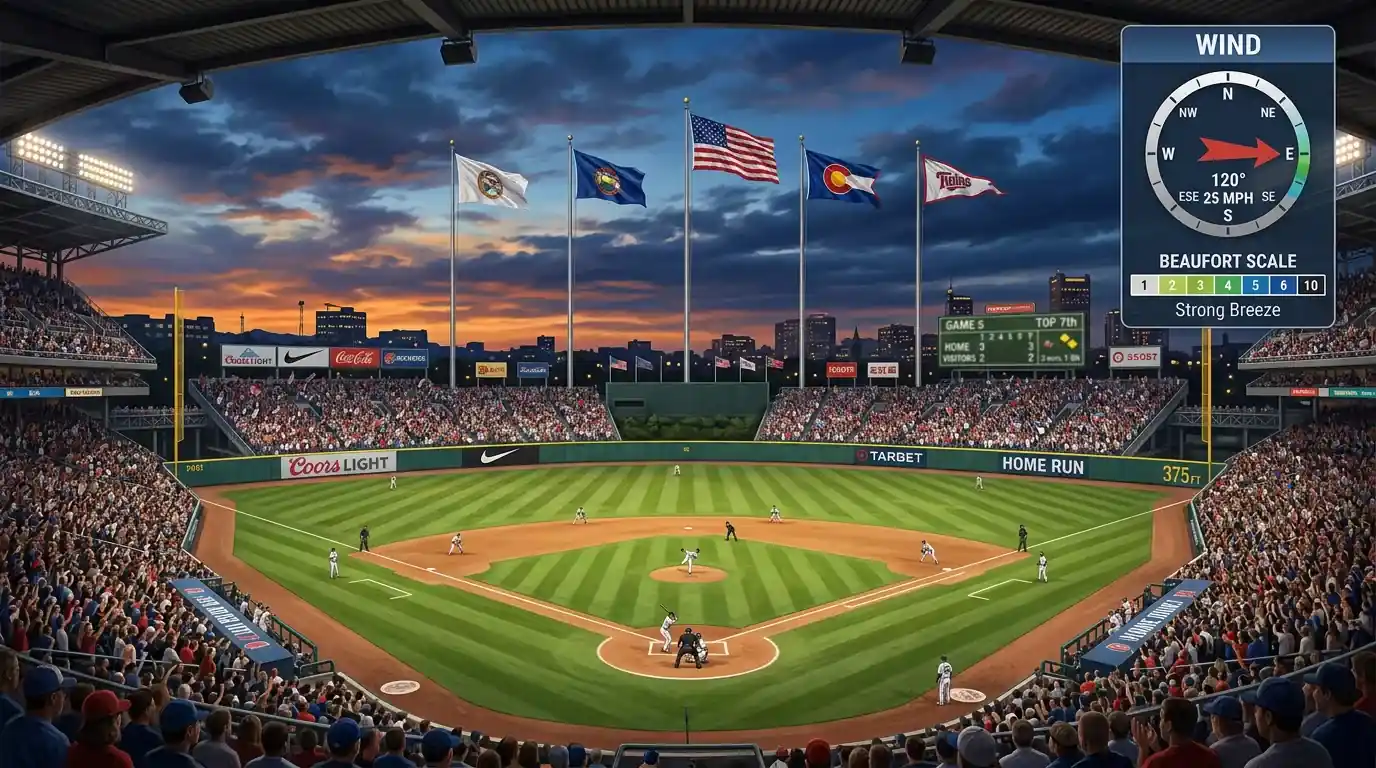
Weather amplifies the park signal because the inning market sits on a thin probability base. A game in a +29 park on a 28°C still afternoon is a different bet from the same game in 14°C with a steady breeze blowing in. The standard market absorbs some of that weather noise across nine innings; the inning market does not have that buffer. Every inning bet is essentially a tiny standalone snapshot of the weather plus the park plus the matchup at that moment, and any of those three going wrong nukes the ticket.
I am especially careful with inning markets at parks where wind direction matters more than air temperature. Cool days with a tailwind blowing out can produce more home runs per inning than warm days with a headwind, and the trader sometimes uses temperature as a proxy without checking the wind feed. That is an exploitable spot, but you have to do the legwork to find it.
The Lineup-Through Question Most Punters Forget
Whenever I look at a first-inning HR market, I run a quick mental simulation of how the inning is likely to unfold. The leadoff hitter walks or singles, fine. The two-hole hitter strikes out, fine. Now the three-hole slugger comes up with one out and a runner on first. He is in scoring position for the inning by virtue of being in scoring position to homer. But what happens if the leadoff hitter strikes out, the two-hole walks, and the three-hole grounds into a double play before the meat of the order hits?
This is the trap. Inning HR markets do not just need a homer to happen – they need it to happen before the inning ends. A 1-2-3 inning kills the ticket before the cleanup hitter even reaches the on-deck circle. So when I evaluate a first-inning bet, I want a lineup where the top three or four hitters all have meaningful HR profiles, not just one big bat surrounded by speed merchants. The probability that any of three sluggers homers in the first is much higher than the probability that one specific slugger does.
That logic also tells you why pitchers’ parks make the market unplayable. In a low-HR environment, the inning probability bunches around zero across most of the order, and you are essentially betting on a coin flip of “will any of three specific batters get lucky”. The expected value collapses to negative on every reasonable price.
Pricing Logic and Where I Find Mispriced Lines
Let me work through a simple example. League-average game produces about 2.5 home runs across nine innings, so the per-inning rate is roughly 0.28. The probability that at least one HR occurs in a given inning, assuming Poisson distribution, is about 24%. That converts to a fair price of around +320.
Now adjust for park. At Dodger Stadium with a 129 park factor, the per-inning rate climbs to roughly 0.36, and the probability of at least one HR jumps to about 30%. Fair price drops to +233. If you see a book listing first-inning HR at +400, you have a clear edge – implied probability 20%, true probability 30%, ten percentage points of value.
That kind of gap shows up more often than you would expect, especially at smaller books or on days when the slate is crowded with marquee games and the trading desk is stretched thin. The inning markets are not where the sharpest traders spend their time. They are afterthought markets to fill out the prop tab. That neglect is the bettor’s friend, provided you have the patience to scan and the discipline to walk away from the dozens of correctly priced lines for the few that drift.
If the EV maths feels intimidating, the deeper walkthrough on calculating expected value on home run props is the natural primer to read alongside this one.
How I Stake This Market
The first thing I will tell you about staking inning HR props is that you should never use them as a primary strategy. They are a supplementary tool – a way to take a stronger position on a game where you have a specific read on the early innings, or a way to hedge a longer-term ticket with quick action. Treating them as your bread and butter will run your bankroll into the dirt because the variance is too violent.
I size inning tickets at roughly half of what I would put on the standard HR market for the same game. So if my standard play is £15 on a slugger to homer, my inning play might be £7 on the first-inning HR market. The reduced stake reflects the higher hit-rate volatility – even with a clean +EV read, you will lose tickets in clusters of four or five before getting one back, and a flat-stake approach magnifies that pain unnecessarily.
Live inning markets are a different beast and worth a brief warning. Books offer them in real time as the game progresses, and the prices update fast. The temptation to chase after a pitcher walks the bases loaded is enormous, and the trader knows it. Live inning prices have wider holds and are usually priced on the safe side for the book. Pre-game inning markets are the ones I trust. Live ones I avoid unless I have a specific edge – like seeing a starter visibly labouring on the broadcast – and even then I size smaller.
Why I Keep Coming Back to This Strange Little Market
The honest answer is that inning HR props are fun, and the variance suits a particular kind of personality. You get instant resolution. You get the dopamine hit of an early win or the clean kill of an early loss, without the slow grind of waiting for ninth-inning reliefs. For punters who treat MLB as their primary betting sport, it adds a layer of texture that the standard market cannot match. But the core truth is that the structural edge sits in the under-traded corners of the prop board, and inning HR props are one of those corners. The traders are spread thin, the lines drift, and the punter who scans patiently and bets only the genuinely mispriced spots gets paid for the discipline.
How do operators usually price inning home run props?
The trader builds a per-inning HR rate from the per-game rate, adjusts for park factor and starter quality, then adds a cushion of margin that runs wider than the standard market. Because the per-inning probability sits low – typically 20 to 30% even at hitter-friendly parks – small modelling errors translate into noticeable price gaps, which is where bettors find their edge.
Are first-inning home run markets safer than late-inning ones?
Safer in the sense that you know the matchup before placing the bet – top of the order against a starter who has not yet settled in. Late-inning markets depend on bullpen choices and pitch-count fatigue, which are harder to predict pre-game. I lean strongly toward first-inning markets when the slate offers them at a hitter-friendly park, and I rarely engage late-inning markets without a live read on the broadcast.
Published by the mlb Prop Bets Home Runs team.