T-Mobile Park’s Left-Handed Bias: A Park Factor Story Behind Cal Raleigh’s 60 HR
 Available in US
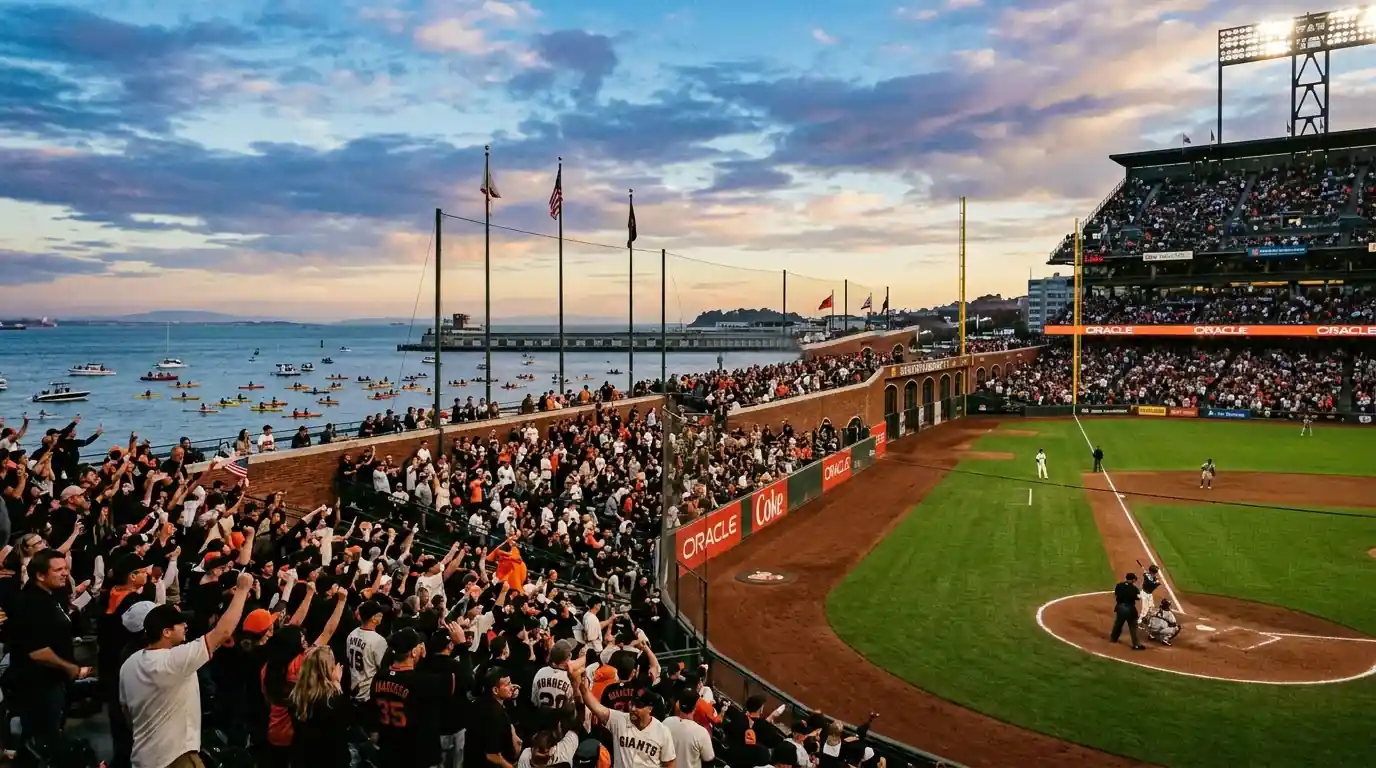
I knew T-Mobile Park favoured left-handed hitters before Cal Raleigh broke the catcher home run record. I did not know how much, and I did not appreciate the asymmetry in time to make money on Raleigh through the first half of 2025. The moment that changed my view was looking at the heat map of his 60 home runs at the end of that season – the cluster of pulled flies into the right-field bleachers in Seattle, in particular – and realising the park itself was doing some of the work. T-Mobile Park is one of the more nuanced HR environments in MLB, neither a Coors-style launching pad nor a PNC-style graveyard, but a venue with a specific structural bias that punters can read off the dimensions if they know what to look for.
Where the Bias Sits in the Park-Factor Hierarchy
The standard narrative on T-Mobile Park is that it is a pitchers’ park. That has been the conventional wisdom since the venue opened, and it was largely correct for the first decade and a half of its existence. The dimensions are deep, the marine air off Puget Sound is heavy, and the dome closes for cool nights. For most of its history it suppressed home runs across the board.
That story has shifted in recent years, particularly for left-handed pull power. T-Mobile Park ranks 9th in MLB for the lowest outfield fences and 6th specifically for left-handed home runs according to THE BAT projection system. Both numbers surprised me when I first dug them up. The fences are not famously low – they do not show up in the same conversations as Yankee Stadium’s short porch or Fenway’s quirks – but they sit in the bottom third of the league for height. Combined with the right-field dimensions, which are not unusually short but not deep either, that wall height creates a real lefty-pull edge that did not exist in the park’s first decade because the league’s overall HR baseline has shifted underneath it.
The Raleigh Season as Park-Factor Evidence
If you want a single illustration of how this asymmetry plays out at the highest level, Cal Raleigh led MLB in 2025 with 60 home runs – the all-time record for a catcher, a switch-hitter, and the Mariners franchise. Of those 60, a meaningful share came at home, and a meaningful share of the home half came from the left side of the plate. Raleigh is a switch-hitter, which means he gets the lefty-pull benefit of T-Mobile against right-handed pitching specifically. That accounts for roughly 65% of his plate appearances in a normal season, which is exactly the configuration the park rewards.
I want to be careful with this point. I am not saying Raleigh’s 60 home runs were a park-factor mirage. He was a genuinely elite power hitter in 2025, with a hard-hit rate that comfortably cleared league average and a barrel rate among the best in baseball. The park did not invent the home runs. What the park did was convert a small share of would-be doubles, deep flyouts, and warning-track shots into homers. In a season where his underlying skill produced something like 52 to 55 true-talent home runs, the park nudged him over 60. That nudge is structural, repeatable, and relevant for anyone betting his HR props in 2026.
Why Lefties Specifically
The asymmetry is geometric. The right-field power alley at T-Mobile is not the deepest in baseball, but the wall in right is short – that is the bottom-third-of-MLB number – and the prevailing wind in summer evenings comes off the sound, drifting south-east, which gives a mild push toward right field on the bulk of fly balls. Right-handed hitters pulling to left face a deeper alley, a higher wall, and prevailing winds that work against them on the same fly. The net effect on left-handed pull power is somewhere on the order of 10 to 15% above league average; the net effect on right-handed pull power is somewhere on the order of 5 to 10% below.
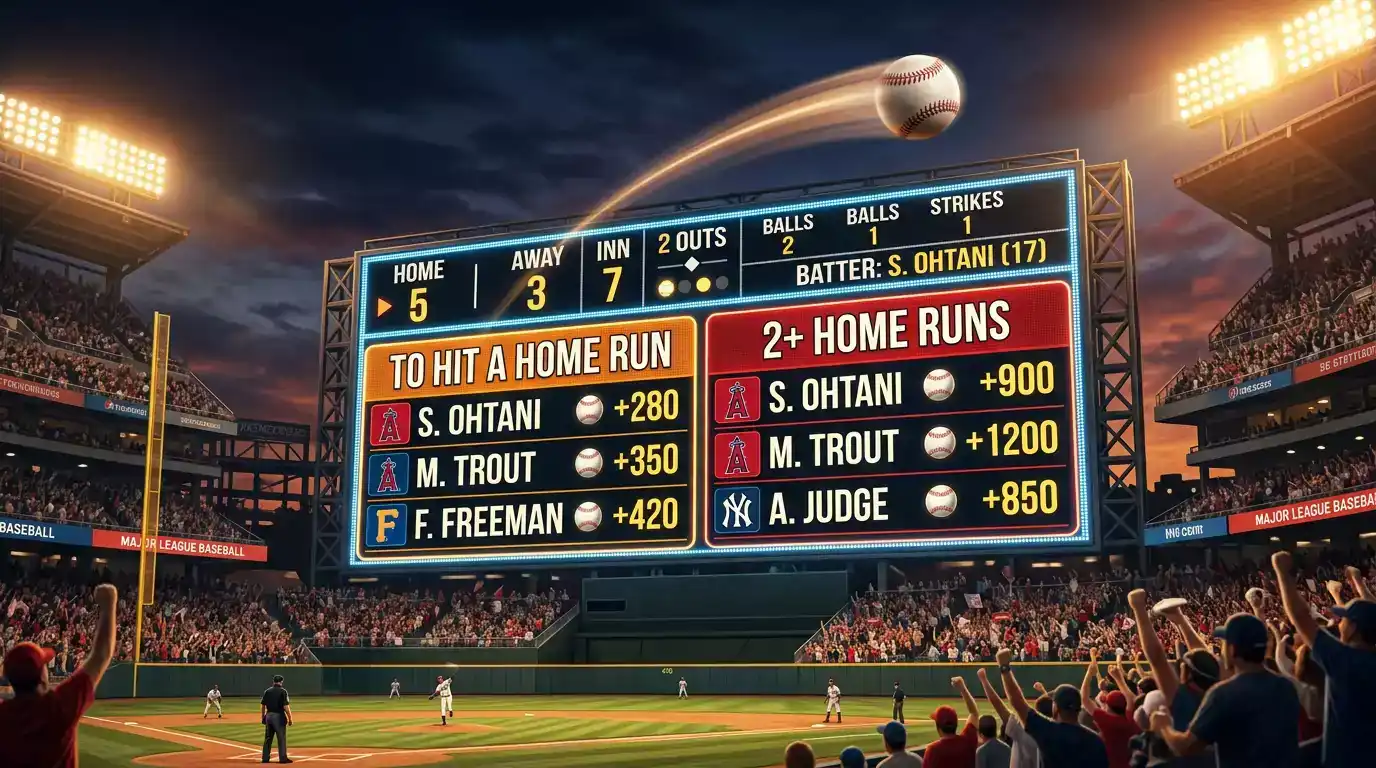
That asymmetry is large enough to swing the to-hit-a-HR fair-value price by 30 to 50 cents on lefty bats versus righty bats in the same lineup, and most operators do not split their pricing by handedness as cleanly as they should. The result is a persistent edge on lefty pull bats – Raleigh from the left side, Julio Rodriguez when he turns on inside pitches, any visiting lefty with pull tendencies – and a persistent over-pricing of righty bats that the casual market still treats as power threats at home.
How I Filter T-Mobile Games
My T-Mobile screen is more granular than at most parks because the bias is so specific. The first filter is the hitter’s handedness and pull tendency. Lefties with above-average pull rates get a bump in my model. Righties get a small downgrade unless they are extreme opposite-field hitters, who actually neutralise some of the disadvantage. Switch-hitters are evaluated by which side of the plate they will be hitting from in the relevant game, which depends on the opposing pitcher.
The second filter is the wall reduction effect. A ball that travels exactly 400 feet at Yankee Stadium will travel approximately 408 feet in Atlanta and up to 440 feet in Denver due to atmospheric and altitudinal differences – T-Mobile sits closer to the Yankee end of that distance distribution, but the lower walls in right give pulled flies a smaller distance threshold to clear than the dimensions alone suggest. I model T-Mobile right-field as functionally about 6 to 8 feet shorter than its measured distance, after wall-height adjustment, for the purposes of fair-value HR pricing.
Where the Edge Has Been This Season
Through the early weeks of 2026 the Raleigh prop pricing has been the cleanest example. Operators learned from 2025 and shaded his to-hit-a-HR price several cents shorter at home; that was correct. What they have been slower to do is split the price by handedness. Raleigh from the left side at home against a right-handed starter is fairly priced shorter still – there is a hidden 20 to 30 cent compression hiding inside the average-priced number – and that gap has been the most reliably profitable Raleigh play I have found this season. When he is hitting from the right side against a lefty starter, the home park advantage shrinks markedly, and his price is closer to fair or even slightly long.
Beyond Raleigh, the same logic applies to any lefty pull hitter who comes through Seattle. Visiting lefty power bats – particularly those with high pull rates against right-handed pitching – tend to price within a tick of their road numbers, when in fact T-Mobile playing lefty-favourable means they should be a notch shorter. That is a small, repeatable edge on visiting lineups.
What Does Not Work at T-Mobile
Reading park bias correctly is also about knowing what not to bet. Right-handed power hitters at home in T-Mobile have looked chronically over-priced to me when the market shades them up on hot summer days. The park does not reward right-handed pull, and the typical heat-induced HR boost gets partially absorbed by the deeper left-centre alley. I avoid backing right-handed Mariners hitters at home in their to-hit-a-HR market unless the matchup is extraordinary, and I am especially cautious of 2-plus HR alternate lines on right-handed bats in Seattle.
This kind of asymmetric park reading is how I think about Raleigh as a market story rather than just a hitter – the link between the park, the position, and the pricing all flows together. The historical context of Cal Raleigh’s 60 home runs and what it means for catcher slugger HR markets is worth reading alongside this one for the full pricing picture.
The Park That Rewards Specificity
Most HR-prop punters treat parks as a single multiplier – hitter-friendly, pitcher-friendly, neutral. T-Mobile Park is the strongest argument I know for moving past that crude bucketing. The park rewards lefty pull specifically and slightly punishes righty pull, the wall-height effect amplifies that asymmetry, and the operators have not yet caught up cleanly to the split. Punters who do split their reads by handedness, lineup slot, and pull tendency will find pricing edges in Seattle that disappear at less specific parks. Punters who use a single Seattle park multiplier across all hitters will get systematically clipped on the lefty bats and over-paid on the righty ones.
That is the practical version of the park-factor lesson: the more granular your read, the better the edge.
Why does T-Mobile Park favour left-handed hitters specifically?
The right-field wall sits in the bottom third of MLB for height, and the right-field power alley is moderate rather than deep. Combined with prevailing summer wind that drifts toward right field in evening games, the geometry creates a real edge on lefty pull power that does not exist for righty pull, where the left-centre alley is deeper and the wall taller.
Did Cal Raleigh’s 60 home runs depend heavily on the park?
Partially but not primarily. Raleigh was a genuinely elite power hitter in 2025 with a top-tier barrel rate, and his road home runs alone were excellent. The park converted a small but meaningful share of his deep flyouts and would-be doubles into homers – probably the difference between a 52 to 55 true-talent season and the 60 he produced. The skill was real; the park nudge was also real.
How should I bet right-handed hitters at T-Mobile Park?
Cautiously. The park’s left-centre alley is deeper than league average and the prevailing wind does not help righty pull. Right-handed bats at home in Seattle should generally be priced longer, not shorter, and 2-plus HR alternate lines on right-handed Mariners hitters are typically a fade unless the matchup against the opposing pitcher is unusually favourable on every other axis.
Published by the mlb Prop Bets Home Runs team.